Abstract Games Throughout History
The evolution of abstract strategy games spans millennia, showcasing human ingenuity and our enduring love for intellectual challenges. From ancient civilizations to modern times, these games have captivated minds and pushed the boundaries of strategic thinking.
Ancient Beginnings
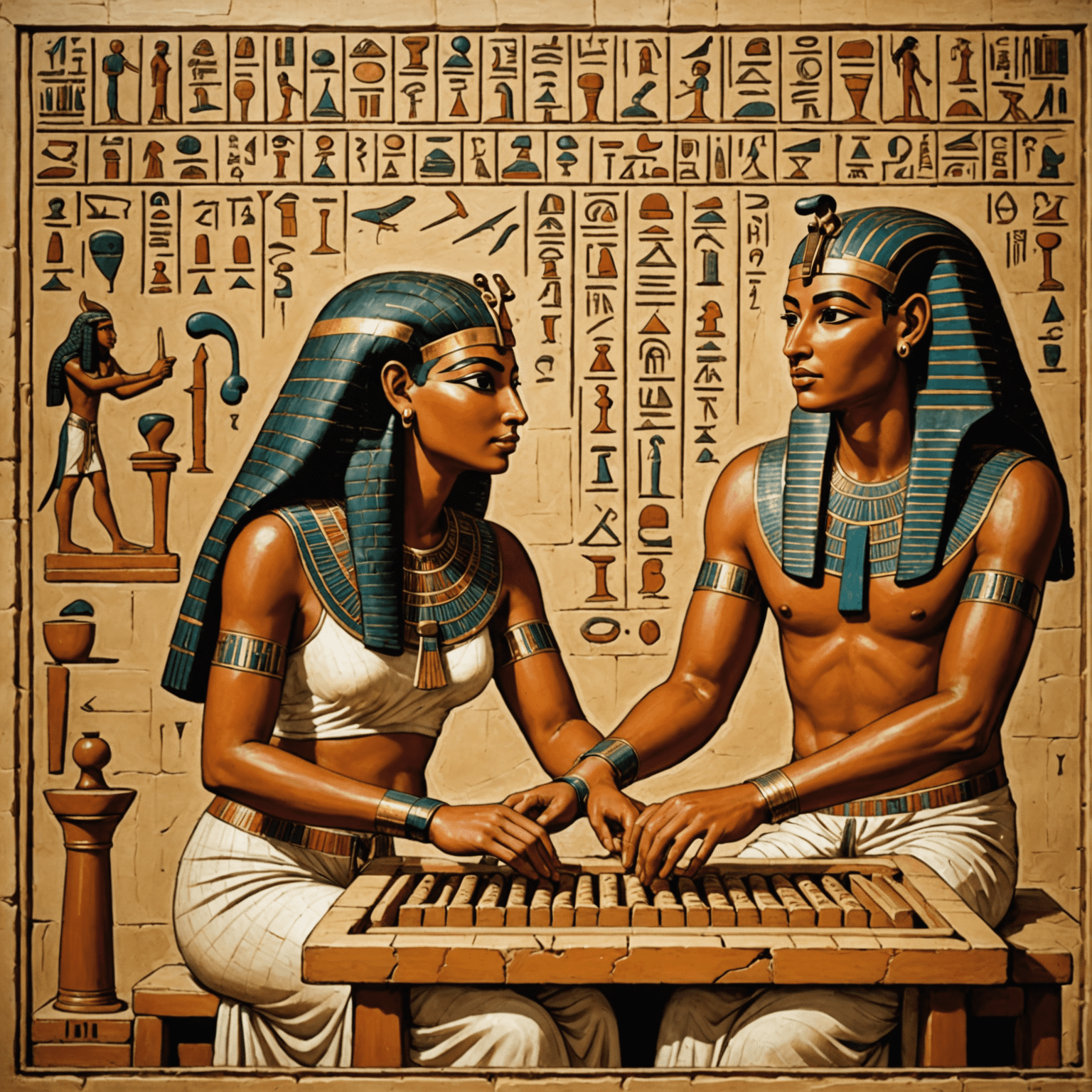
The story of abstract games begins in ancient times. Archaeological evidence suggests that games like Senet in Egypt and the Royal Game of Ur in Mesopotamia were played as early as 3500 BCE. These early games often had religious or divinatory significance, blending strategy with spiritual beliefs.
Classical Innovations
The classical era saw the birth of some of the most enduring abstract games. Go, originating in China around 2000 BCE, stands as a testament to elegant simplicity and profound complexity. Chess, evolving from the Indian game Chaturanga, spread across the world, becoming a symbol of strategic mastery.

Medieval and Renaissance Developments
The medieval period saw the refinement of existing games and the creation of new ones. Alquerque, a predecessor to modern checkers, gained popularity in Europe. The Renaissance brought a renewed interest in game design, with scholars like Gerolamo Cardano analyzing game concept and probability.
Modern Classics
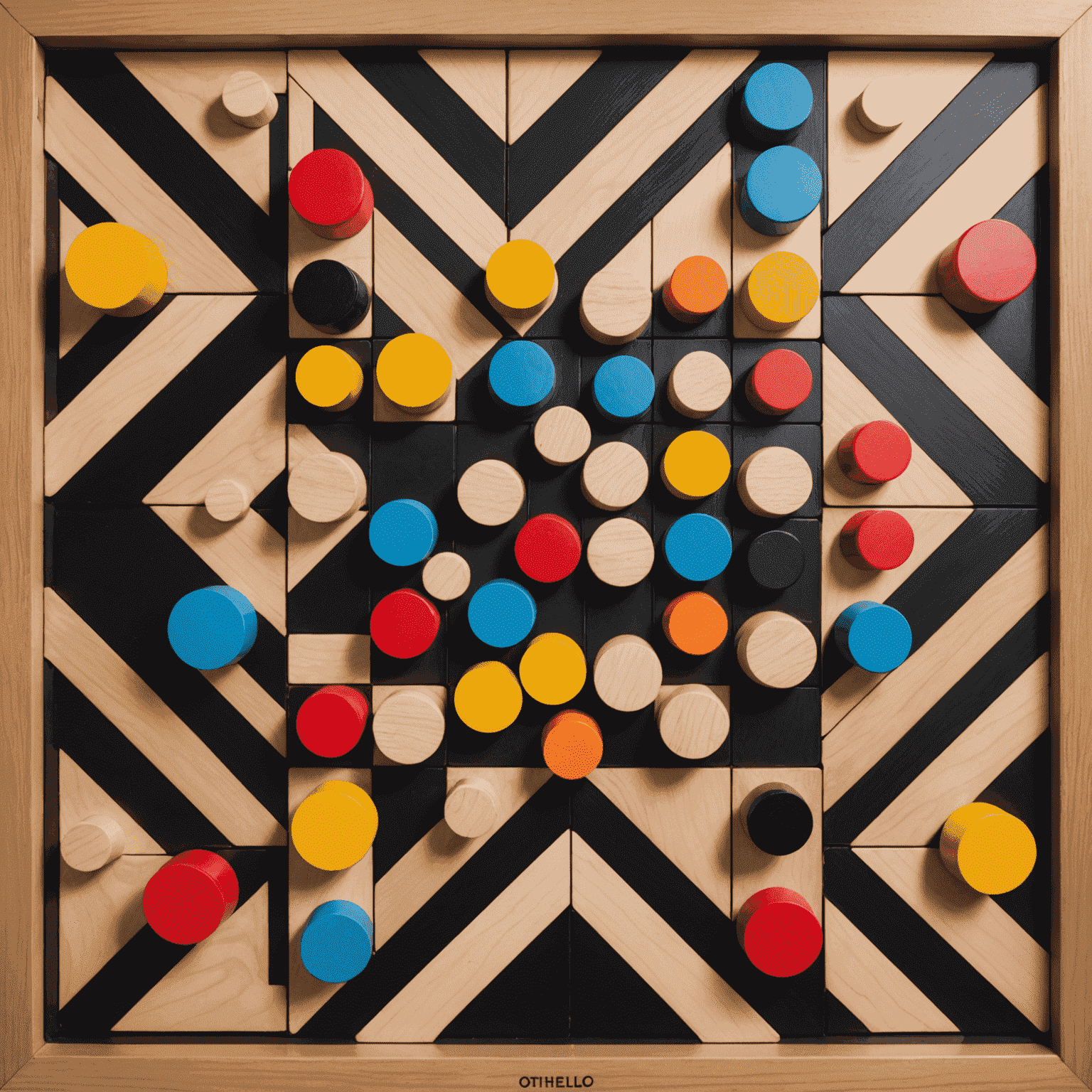
The 19th and 20th centuries witnessed a boom in abstract game design. Games like Reversi (later marketed as Othello), Connect Four, and Quarto introduced new mechanics and materials. These games often featured simple rules but deep strategic possibilities, embodying the "easy to learn, difficult to master" philosophy.
Digital Age and Beyond
The advent of computers and artificial intelligence has brought new dimensions to abstract games. Classic games like chess have been mastered by AI, while new digital-native abstract games continue to emerge. The future of abstract games lies in both preserving traditional forms and exploring new frontiers in game design and player interaction.
Key Innovations in Abstract Game Design
- Introduction of grid-based boards
- Development of capture mechanics
- Incorporation of spatial reasoning
- Creation of perfect information games
- Implementation of territory control concepts
- Exploration of abstract theme representation